Speed-Clean Your Refrigerator in 20 Minutes
(courtesy of Real Simple Magazine)
Minutes 1 to 2: Unplug the Refrigerator. Slide a coil brush underneath the unit's kick plate to remove dust.
Minutes 3 to 7: Empty the contents. Toss anything past it's prime.
Minutes 8 to 10: Remove the drawers and place them in the sink. Scrub the drawers with a sponge, warm water & liquid dish soap. Leave them out to air-dry.
Minutes 11 to 15: Douse the interior with a multi surface spray. Wipe down the walls, then each shelf.
Minutes 16 to 17: Plug in the refrigerator. Return the drawers. Put the food back in, wiping down jars and bottles.
Minute 18: Attach the baking-soda pod's suction cups to an interior wall.
Minutes 19 to 20: Clean the exterior.
ALL DONE!!
Wednesday, May 4, 2011

Monday, May 2, 2011
10 Tips for Living Green at Home
10 Tips for Living Green at Home
(courtesy of American Home Shield)
Besides recycling and water conservation, there are many other ways to live a little greener at home. We’ve put together 10 easy tips to help you get started today.
1) Take reusable bags with you when you shop. Most retailers sell their own reusable bags at checkout, but you can always bring your own. It’s a good idea to keep a few in your car for those spur-of-the-moment shopping trips. Think about how many plastic bags we’ll keep out of our landfills!
2) Buy in bulk. You’ll save on fuel and packaging material. Plus, you’ll spend less money in the long run.
3) Keep heating and air conditioning contained to the spaces you use daily. If you have rooms you only use for guests or storage, close off the vents and doors to help reduce costs and increase efficiency.
4) A programmable thermostat can make a big difference in your energy bill. They’re inexpensive and easy to install. You simply pre-program your ideal temperature settings for when you wake, leave and sleep. You’ll notice a difference in your bill the first month.
5) Does your computer or TV run 24/7? That’s unnecessary energy consumption for items that aren’t in use. Set your computer to sleep mode when you’re finished with the task at hand. If you need the comfort of the TV to fall asleep, you can set the sleep timer to automatically shut off.
6) Shower time. It’s a necessity, but to help conserve water and energy—install a low-flow showerhead. It’s highly efficient and affordable.
7) For less than $150, you can install ceiling fans in your living room and bedroom. You can reduce the thermostat temperature and the room will still feel cool with the fan on.
8) Painting is a quick and easy way to redecorate. When you start selecting colors, try to find low Volatile Organic Compounds (VOC) or no VOC paint. Avoid most latex and oil-based paints to eliminate toxins being released into the air.
9) Anytime you remodel or redecorate, try to find green furniture manufactured from recycled or reclaimed materials. The local thrift stores, antique shops and flea markets have great options, so you can recycle and save money at the same time.
10) At any given time there are at least 10 items in your home that require batteries, so why not switch to rechargeable? You’ll help keep all the remotes and gadgets going while keeping dead batteries out of our landfills.
Wednesday, April 20, 2011
10 Tips for a Cleaner, Safer Kitchen
10 Tips for a Cleaner, Safer Kitchen

1. Microwave
Fill a bowl with two cups water and a whole lemon, cut into slices. Place it inside and microwave for two minutes, then wipe it out with paper towels. The hot water softens food spills and the lemon cuts grease and keeps the microwave smelling fresh
2. Stove and oven
Spray stove spills with an all-purpose cleaner and let stand 10 minutes for easier cleaning. Oven spills aren’t a food hazard if you regularly heat the oven to 400. Cover a fresh spill with salt until you have time to clean it.
3. Counters
Clean regularly with an all-purpose cleaner. Spray with a weak bleach solution and air-dry if needed.
4. Dishes and Dishwashers
If you hand-wash dishes, be sure to air-dry them in a rack as dirty or wet dish towels can recontaminate clean dishes. To reduce soap buildup in a dishwasher, occasionally fill the soap dispenser with baking soda or place a small cup of vinegar on the top shelf, then run the dishwater empty.
5. Sink, drain and faucet handle
Clean regularly with household cleanser, especially after washing or rinsing raw meat. Don’t forget to clean the faucet handle.
6. Refrigerator
Every day, wipe down the handles, including the underside. Every week, throw out anything that’s past its date or shows age. Every three to six months, empty shelves and clean the inside with 1/4 cup baking soda in one quart warm water, then spray with a bleach solution and air-dry. Remove drawers and clean under them. Before you return the food, wipe jars to remove drips. Clean the rubber gasket inside the door to ensure a tight seal. Vacuum the coils in the back and empty and clean the drip pan if necessary.
7. Pet bowls
Find a place besides the kitchen to clean turtle or frog habitats and empty pet bowls, or clean and sanitize the sink before you start washing fresh food.
8. Cutting boards
Most scientists believe wooden cutting boards are safest, as long as they are kept clean, sanitized and dry. Studies have shown wood hampers bacteria growth, while bacteria thrive in scars on plastic. Either way, keep them clean by running them through the dishwasher, or sanitize by spritzing with a weak bleach solution. Always change boards or clean with soapy water after preparing raw food—even vegetables. They grow in dirt, after all.
9. Sponges and dish towels
Change dish towels daily, or more often if they’re wet or dirty. You can microwave a wet sponge for two minutes, but the time varies depending on the power of the microwave (and if the sponge is dry, it could catch fire). Instead, put sponges on the top rack of the dishwasher at the end of every day.
10. Cross-contamination
You know you’re not supposed to put cooked food on the same surface you used for raw food. But it’s not just a problem with cutting boards. You touch all kinds of things while you’re handling raw food: Salt and pepper shakers, cabinet handles, etc. Pay attention to what you touch so you can wipe things down. Tip: It’s not necessary to rinse raw meat and chicken—it just spreads bacteria.
From www.Rismedia.com
Thanks to our sources: Benjamin Chapman, the extension food-safety specialist for N.C. State; David Sweat, foodborne-disease epidemiologist with the North Carolina Division of Public Health; Douglas Powell, professor of food safety at Kansas State University; and Dean Cliver and Linda Harris with the University of California-Davis.
(c) 2011, The Charlotte Observer (Charlotte, N.C.).
Wednesday, April 13, 2011
Speed-Clean Your Back Entryway in 15 Minutes
Courtesy of Real Simple Magazine
Minutes 1-2: Clear out the entryway - move area rugs, shoes and umbrellas. Toss non-entry items into a big tote to redistribute later.
Minute 3: Bang the indoor and outdoor mats against a walkway to loosen dirt.
Minute 4: Spot-clean scuffs & mud off walls, doors & baseboards with a moistened Magic Eraser. Go over doorknowbs and light switches, too.
Minute 5-6: Spritz any windows (inside and out). Dust any furniture with a dry microfiber cloth.
Minutes 7-10: Scan the floor and pick up anything too bulky for your vacuum. Give the area a quick once-over with the vacuum.
Minutes 11-13: Swab the deck with a wet mop.
Minutes 14-15: Return everything to its rightful place.
ALL DONE!!
Monday, April 11, 2011
New Uses for Marbles
New Uses for Marbles - Courtesy of Real Simple Magazine

1. Playful Arrangement - Add marbles to the bottom of a vase.
2. Curtain Weights - Keep lightweight drapes in place by cutting a small slit in the seam, slipping a few marbles into the hem and sewing the opening back up.
3. Muscle Soother - Store a handful of marbles in the freezer, drop them into a thin sock, then roll it across your sore spots.
4. Spray-Bottle Aid - To pull the last bit of cleaner from a bottle, drop in a few marbles to raise the liquid's level to the spray tube.
5. Heartfelt Cupcake - After filling a cupcake liner with batter, wedge a single marble between the liner and the pan to create a heart-shaped indent.
6. Soap Saver - Add a layer of marbles to a soap dish to keep the bar from sticking.
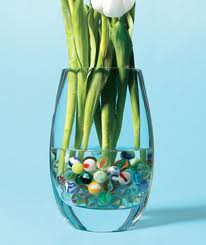
1. Playful Arrangement - Add marbles to the bottom of a vase.
2. Curtain Weights - Keep lightweight drapes in place by cutting a small slit in the seam, slipping a few marbles into the hem and sewing the opening back up.
3. Muscle Soother - Store a handful of marbles in the freezer, drop them into a thin sock, then roll it across your sore spots.
4. Spray-Bottle Aid - To pull the last bit of cleaner from a bottle, drop in a few marbles to raise the liquid's level to the spray tube.
5. Heartfelt Cupcake - After filling a cupcake liner with batter, wedge a single marble between the liner and the pan to create a heart-shaped indent.
6. Soap Saver - Add a layer of marbles to a soap dish to keep the bar from sticking.
Monday, April 4, 2011
Homeowner Tips - Streak-Free Windows
Homeowner Tips:
Streak-Free Windows
Use these easy-to-follow tips to get streak-free windows all around!
•Don’t clean your windows on a bright sunny day. Direct light causes the cleaning solution to dry before you can wipe it away. For best results, save window cleaning for a cloudy day.
•Clean, cool water is actually the best cleaning solution for windows, but for tough jobs, try adding 2 to 3 tablespoons of vinegar per gallon.
•Use horizontal strokes on the inside and vertical on the outside – or vice versa. This just makes it easier to see which side the streaks are on if you notice any at all.
For best results, use crumpled newspaper for streak-free drying results.
(courtesy of AHS)
Friday, April 1, 2011
Check Your AC Today!
Check Your AC today!
To help ensure your home stays cool all summer, it’s a good idea to perform a system check today. It’s easy to do. Simply turn on your air conditioner and let it run for 30 minutes. If you notice any issues or problems, contact American Home Shield and request a service call for your air conditioner.
•Always be sure to change your air filters every 30-90 days based on filter recommendations.
•Each year, check your system’s performance one month before the cooling season begins.
•Keep the condensing unit free of debris and trim back all shrubs and plants.
Subscribe to:
Posts (Atom)